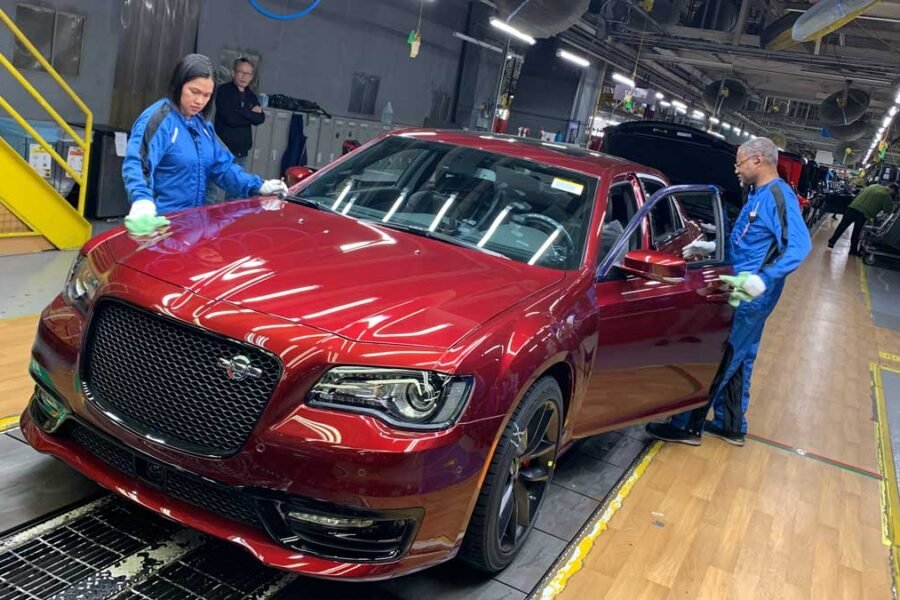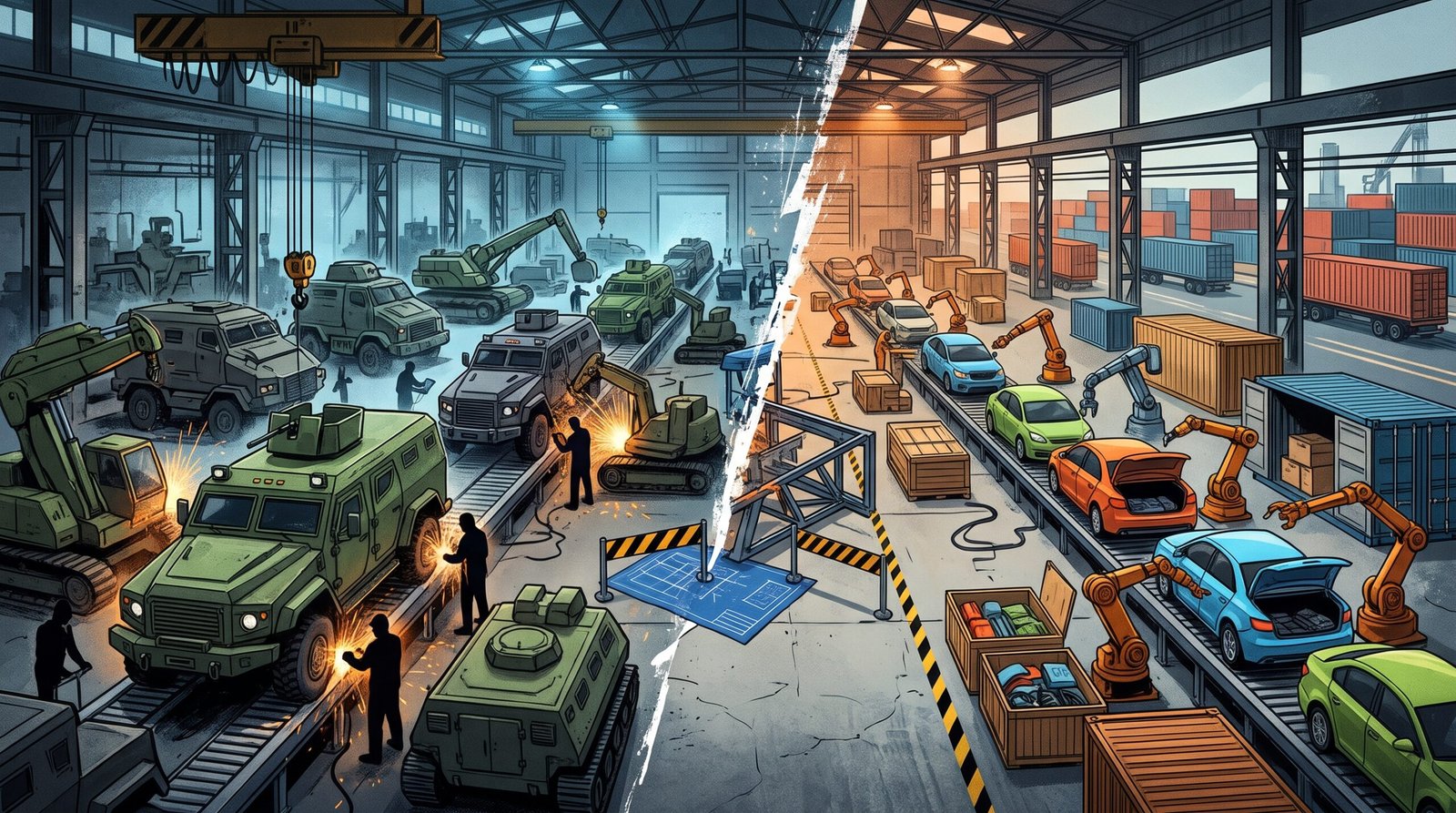
Ontario Premier Doug Ford wants Ottawa to make sure Chinese EV kits never reach Stellantis’s Brampton plant, even though the plant is being sold to an armoured-vehicle maker. In a letter to Prime Minister Mark Carney dated November 10, Ford said Ontario “remains strongly opposed” to “Chinese-made knock-down kits” at the site. He said kit assembly could replace more than 7,500 direct jobs with a few hundred.
Ottawa raised the stakes on Thursday. Industry Minister Mélanie Joly declared Stellantis in default of a 2022 funding agreement worth up to $529 million, writing: “I must conclude that Stellantis is no longer diligently working in good faith.” The company has 30 days to take corrective action, or Ottawa could seek to end the agreement and recover the subsidies. Carney, speaking in Dublin, called the Roshel sale a “partial solution”, adding: “It is not a global solution.”
The kit question survives the sale because Roshel is not taking the whole plant. Roshel chief executive Roman Shimonov has said 25% of the plant will be leased back to Stellantis. CTV sources say Stellantis wants to use that space to build “affordable” EVs for Canadians. Industry sources read that as Chinese kits or full Chinese-designed production.
Two Chinese candidates
There are two obvious Chinese partners for the space. The first is Leapmotor. Stellantis owns about 21% of Leapmotor and 51% of Leapmotor International, their export venture. In April, Stellantis looked at building Leapmotor EVs in Brampton. In Europe, it is already moving Leapmotor production into its own factories, starting with B10 assembly in Zaragoza, Spain.
The second is Chinese auto manufacturer Chery. Trade Minister Maninder Sidhu, whose riding is in Brampton, recently visited the company and said he went to discuss its upcoming models and plans for affordable EVs. In October, a Chery executive said the company was looking at idle Canadian capacity and local investors.
Kit or factory
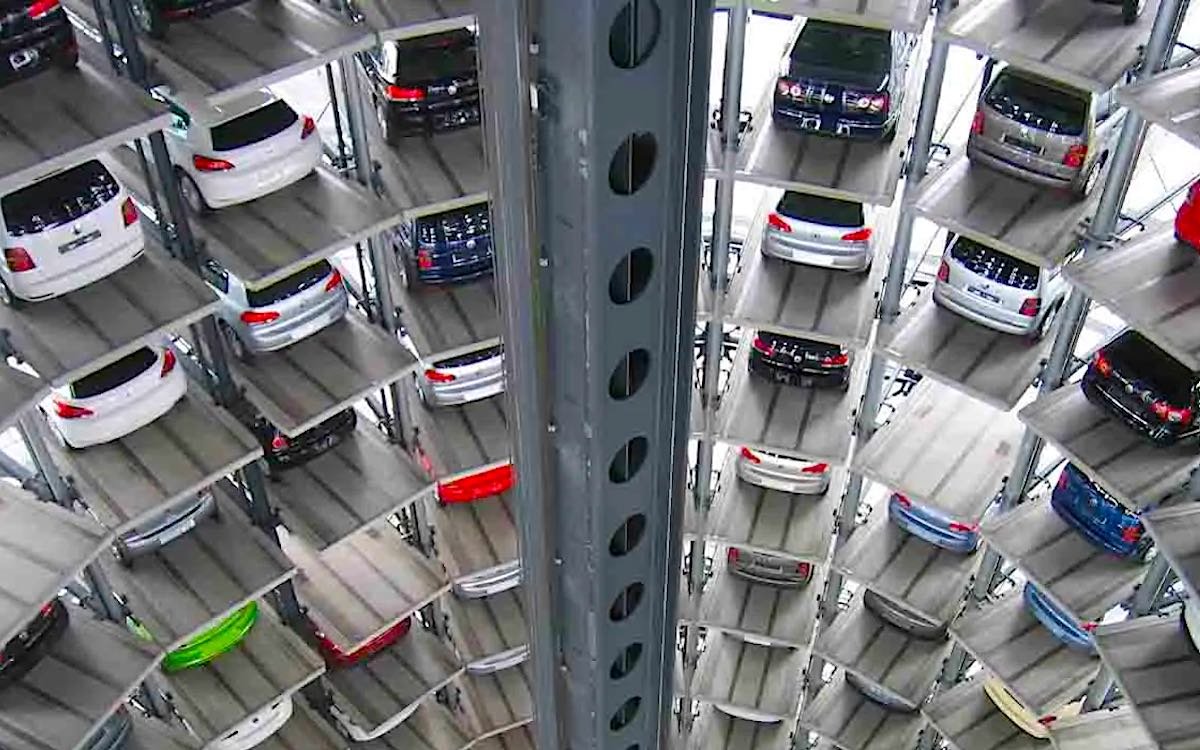
The difference between a kit and a factory is the whole argument. A kit car is built largely in China, shipped in pieces and put together in the destination country. The parts, and most of the value, stay Chinese.
Kits are a growing part of how Chinese carmakers sell abroad. In October, the SAIC-GM-Wuling joint venture shipped 41.9% of its exports as kits, Great Wall 31.1% and SAIC 27.6%, according to China Passenger Car Association data. Leapmotor shipped 8% of its 21,132 exported cars that way.
Ottawa has said no to kits. Joly said in April that cars cannot come to Canada in kit form because of the parts sector’s roughly 200,000 workers. Ottawa is open to Chinese EVs built in Canada through joint ventures, if they have a localized supply chain and Canadian control. Flavio Volpe of the Automotive Parts Manufacturers’ Association said kit proposals threaten hundreds of Canadian suppliers and their 100,000 workers.
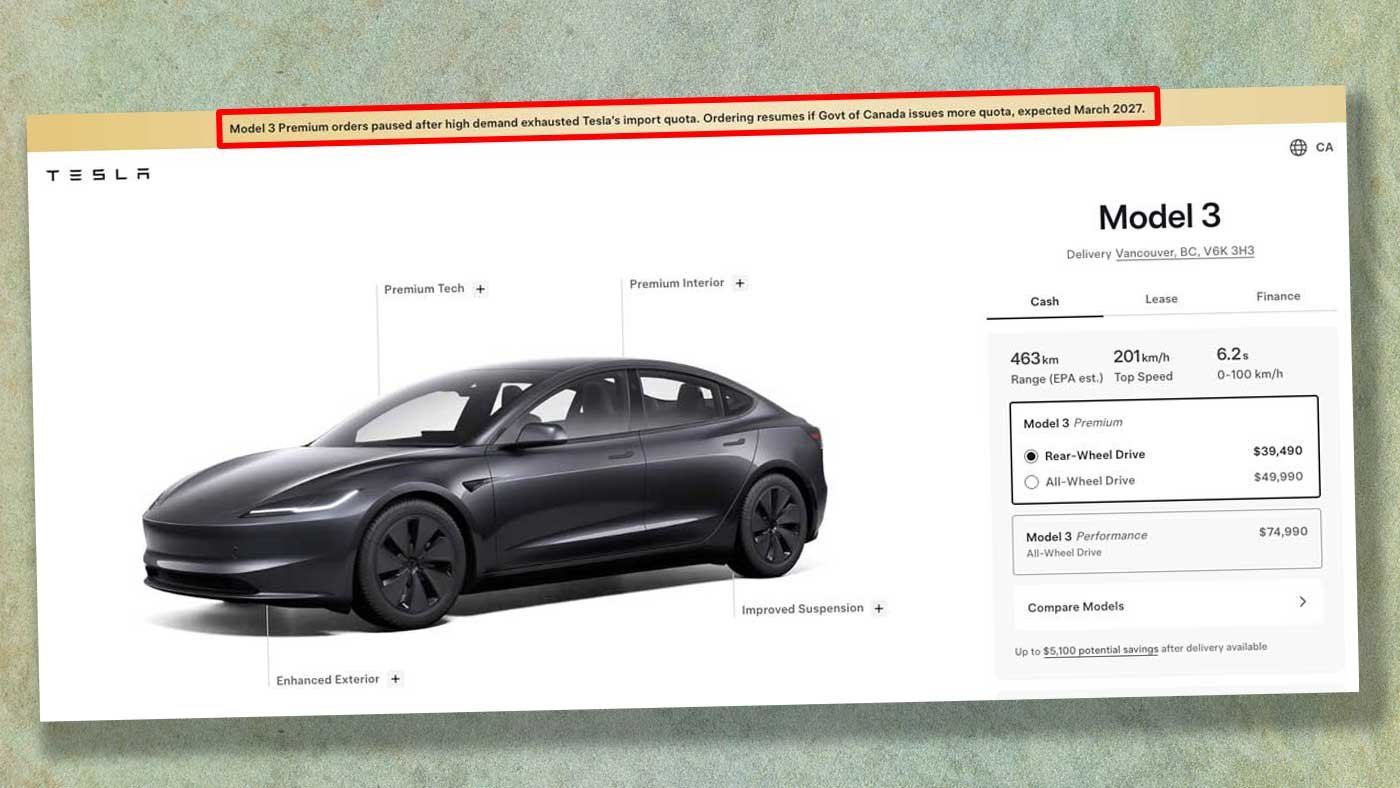
The import route has not filled the gap either. As China Factor reported, Tesla, an American company, is believed to be the biggest user of Canada’s 49,000-vehicle quota for Chinese-made EVs, and Chinese brands such as BYD, Geely and Dongfeng are not yet on sale. A Chinese carmaker that wants volume in Canada needs a plant, and a kit line is the fastest way to get one.
That is exactly why Ontario wants kits ruled out before anyone asks. As China Factor reported on November 9, Brampton had looked like the easiest site for a Chinese partner. Now only a quarter of it may be available, and only on Ontario’s terms.
Carney meets Xi Jinping in Shenzhen on November 17, with Stellantis’s 30-day clock still running. Chinese carmakers will want to know what Canada will accept between a kit line and a full plant with Canadian suppliers. Ford’s letter means Carney arrives with one option already ruled out.