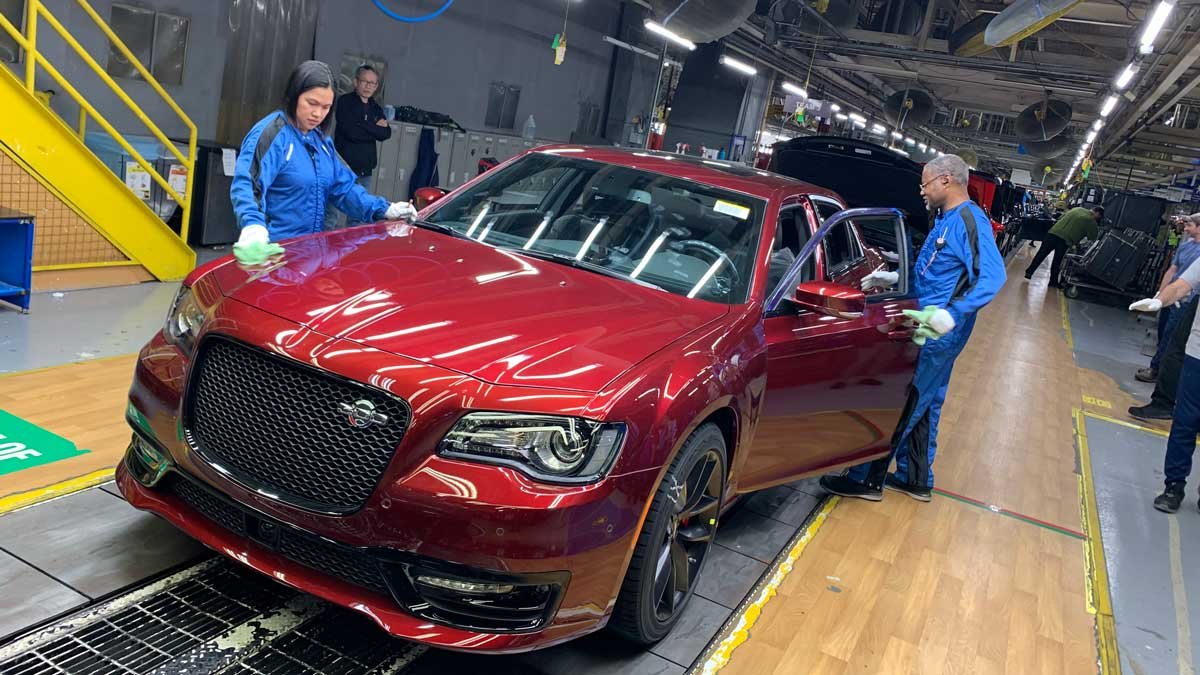
Canada’s best-known empty car plant looks set to build armoured vehicles, not Chinese EVs. On November 6, Unifor said it believes Stellantis has sold its idled Brampton, Ont., assembly plant to Roshel, a local maker of armoured vehicles. Stellantis would not confirm or deny the sale, and the union said it was “interpreting this refusal as confirmation that the Brampton assembly plant has been sold.”
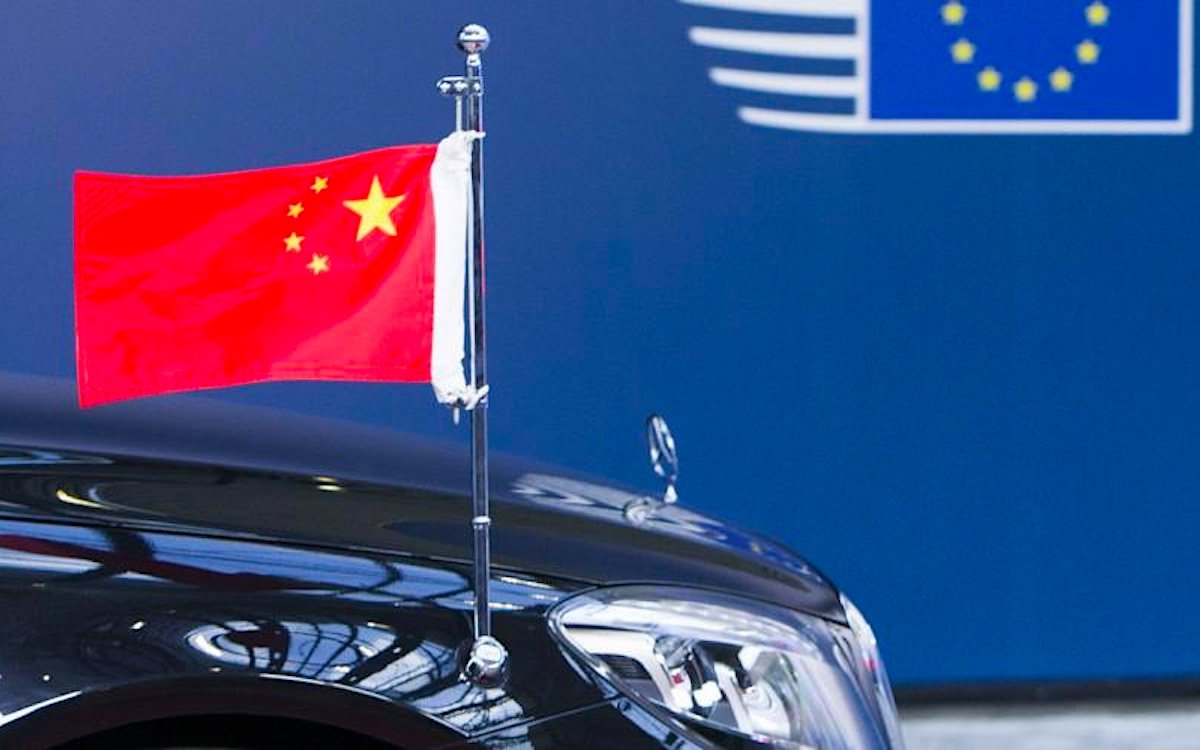
The timing matters. Two weeks earlier, Chinese automaker Chery said it was scouting idle Canadian plants for a factory. Canada’s trade minister, Maninder Sidhu, who represents Brampton East, toured a Chery plant during his trip to China last week. And China’s vice-premier, He Lifeng, is in Vancouver today for the first Canada-China economic and financial dialogue since 2018.
The plant nobody claimed
Brampton has been empty since 2023, when Stellantis halted production and more than 2,000 workers were laid off. Stellantis signed a memorandum of understanding with Roshel in September. Both companies now say they have “nothing to announce,” and Stellantis workers have voted for a strike mandate, with job security and the plant’s future at the centre of the impasse.
The plant was briefly part of the China debate. In April, Stellantis considered using Brampton to assemble Chinese EVs from knock-down kits: cars shipped in pieces and bolted together locally. The idea drew fire from the premier, the union and parts makers. “Chinese knock-downs might be a great idea in Brazil or Mexico, but we don’t need them here,” said Flavio Volpe, president of the Automotive Parts Manufacturers’ Association.
That objection now looks decisive. If Roshel takes the site, the most obvious idle plant a Chinese partner could have moved into is off the table.
What Ottawa promised
When Ottawa cut the tariff on up to 49,000 Chinese-made EVs a year to 6.1% in January, it said the move would “catalyze considerable new Chinese joint-venture investment in Canada.” Industry Minister Mélanie Joly’s office has said companies selling cars in Canada will be strongly encouraged to build them here too.
The carmakers have said they are interested, on their own terms. Chery executive vice-president Zhang Guibing told Bloomberg in October that Canada is “a market worth establishing manufacturing operations in,” even without access to the United States, and that Chery is looking at idle capacity and local investors, as CnEVPost reported. BYD executive vice-president Stella Li said in March that a joint venture “will not work” and that BYD would rather build its own plant.
So far, the factories are still talk. As China Factor reported last week, Chinese EVs are reaching Canada more slowly than promised. A new factory is further off still.
China’s kit exports
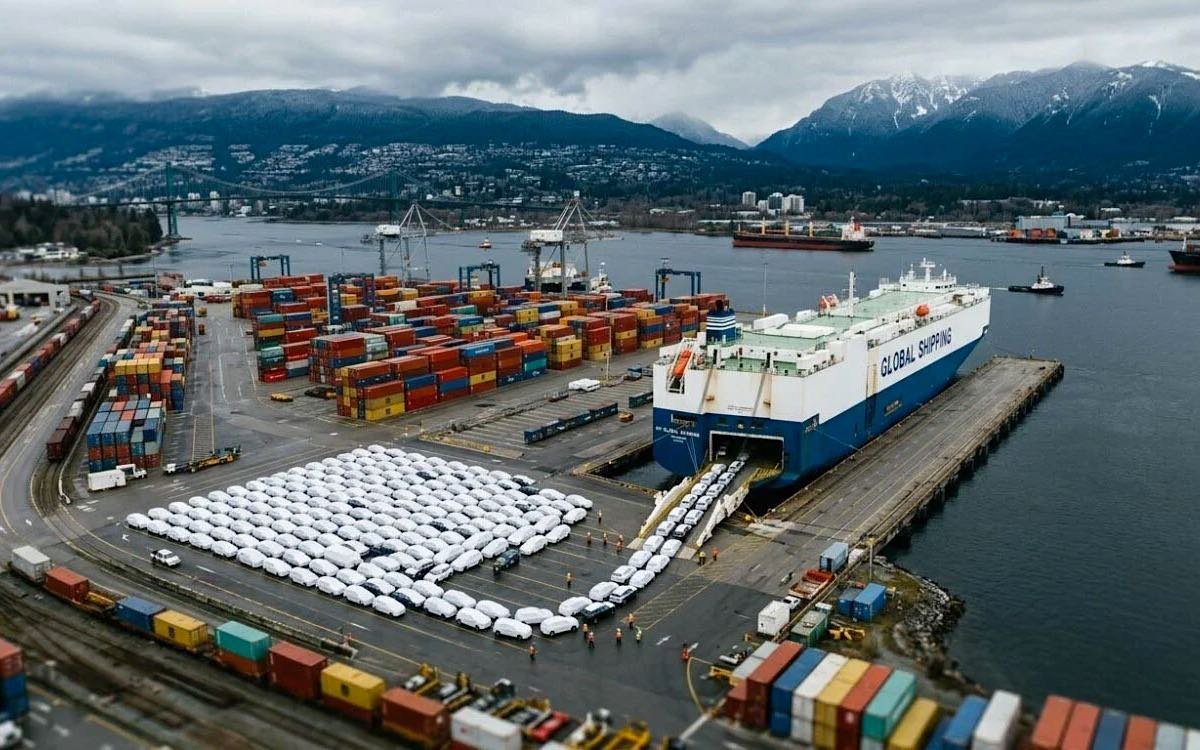
The kit model Ontario rejected is becoming a bigger part of how China sells cars abroad. China exported 582,000 new-energy passenger cars in October, up 144.7% from a year earlier, according to China Passenger Car Association data released on November 9. For several big exporters, kits make up a large share: 41.9% of SAIC-GM-Wuling’s exports, 31.1% of Great Wall’s and 27.6% of SAIC’s.
Leapmotor shipped 8% of its 21,132 exported cars as kits. That matters for Canada because Stellantis owns about 21% of Leapmotor and 51% of Leapmotor International, their joint export venture. In Europe, Stellantis plans to move Leapmotor production into its own factories: B10 assembly in Zaragoza, Spain, and possibly handing its Villaverde plant in Madrid to Leapmotor International’s Spanish subsidiary.
In other words, Stellantis is planning in Spain the kind of arrangement Ontario pushed back on in Brampton.
That leaves Ottawa with a harder question than tariffs. A new plant built from scratch takes years and usually needs public money. A kit plant is fast but delivers few parts jobs, which is why the union and suppliers oppose it. The Chinese carmakers also have to weigh Washington, where US officials have said Chinese-brand vehicles will not be allowed into the United States through Canada.
Mark Carney goes to Shenzhen for the APEC leaders’ meeting on November 18 and 19. If Chinese factory investment is still on Ottawa’s list, Chery and BYD will expect to hear what kind of plant Canada will accept, and where. Brampton has stopped being an easy answer.