China’s Ministry of Finance sold 4 billion yuan of green sovereign bonds in Canada on Monday, its first sale in the country, and drew more than 59 billion yuan in orders.
The three-year notes priced at 1.4% and the five-year notes at 1.5%, Bloomberg reported via The Standard. Royal Bank of Canada was a joint bookrunner. Canada becomes the fourth offshore market for China’s yuan sovereign debt, after Hong Kong, London and Macau.
Demand swamped the bond
China's Ministry of Finance sold 4 billion yuan of green sovereign bonds in Canada on Nov. 9, with RBC as a joint bookrunner.
Three-year notes priced at 1.4% and five-year notes at 1.5%. Proceeds fund green spending in China's central budget.
The sale was announced on Nov. 5 and timed to Vice-Premier He Lifeng’s visit to Vancouver for the second Canada-China Economic and Financial Strategic Dialogue, the first since 2018. Finance Minister François-Philippe Champagne told The Globe and Mail he had been told the bonds were “more than 10 times oversubscribed.”
“The commitment of the Chinese government to raise funds here in Canada for green bonds is a good signal,” he said.
What the money funds
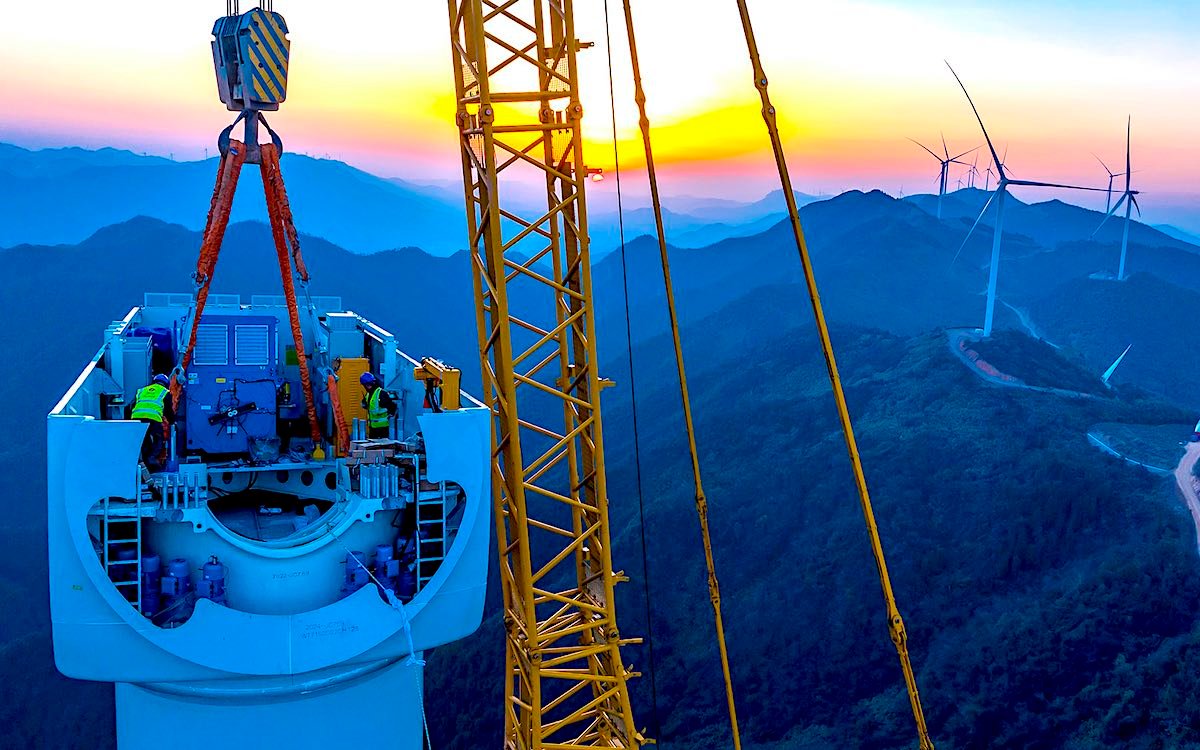
The proceeds go to eligible green spending in China’s central budget, including clean transport, water management and pollution control, the Globe reported. Investors in the Canadian sale are, in effect, lending Beijing money for green projects at home, at 1.4% to 1.5% a year.
The bond also serves a currency goal. Guy Saint-Jacques, a former Canadian ambassador to China, told the Globe the issue is “totally in line with what China is doing to try to increase the use of renminbi.” China’s joint statement on the dialogue said both sides welcomed putting their bilateral currency swap arrangement into effect.
The signed outcomes were financial. The two finance ministries signed a memorandum of understanding. Canada’s banking regulator, OSFI, and China’s National Financial Regulatory Administration agreed to cooperate and held the first meeting of a new supervisory dialogue. The central banks signed working rules for a financial working group.
The money already runs mostly one way. Chinese direct investment in Canada stood at $43.4 billion in 2025, against $15 billion of Canadian investment in China, according to Finance Canada.
Neither government’s statement mentioned electric vehicles, critical minerals or technology. The trade pieces were settled separately: China extended lower tariffs on Canadian canola meal, peas, lobster and crab to the end of 2028, and Canada extended steel and aluminum remission measures for some Chinese products over the same period, the Globe reported.
Storage on the table
Champagne nonetheless said one technology came up: energy storage. He told the Globe that Canada is “doubling its electricity capacity” and that Chinese companies bring expertise and scale, according to a summary of the interview.
That fits the lines Prime Minister Mark Carney has drawn. He has said Chinese investment is unwelcome in defence, critical minerals and artificial intelligence. Champagne said many areas remain open despite those “guardrails,” including energy and agriculture.
Chinese grid suppliers are already looking at Canada. In May, Envision Energy signed a partnership with Cape Breton China Corp. to develop a 300-megawatt hybrid wind and battery project in Sydney, N.S. Outside China, Chinese battery makers held 56.4% of the market in the first three quarters of this year.
Ottawa’s distinction is between buying Chinese equipment and letting Chinese companies own Canadian resources. Batteries plugged into the grid sit on the acceptable side. Lithium mines that feed them do not.
The EV gap
Cars sit somewhere in between, and the numbers show it. Canada’s deal with Beijing allows 49,000 Chinese-made EVs into the country at a low tariff over the 12 months ending Feb. 28.
By the end of October, slightly more than 16,200 had arrived, the Globe reported. That is about a third of the quota with eight months gone and four left. Champagne said the Vancouver meeting did not directly address it.
Chinese EVs are running below Canada's quota
Canada allows 49,000 Chinese-made EVs in at a low tariff over the 12 months ending Feb. 28. Eight months in, about 16,200 had arrived.
Arrivals are slightly more than 16,200, as reported by the Globe.
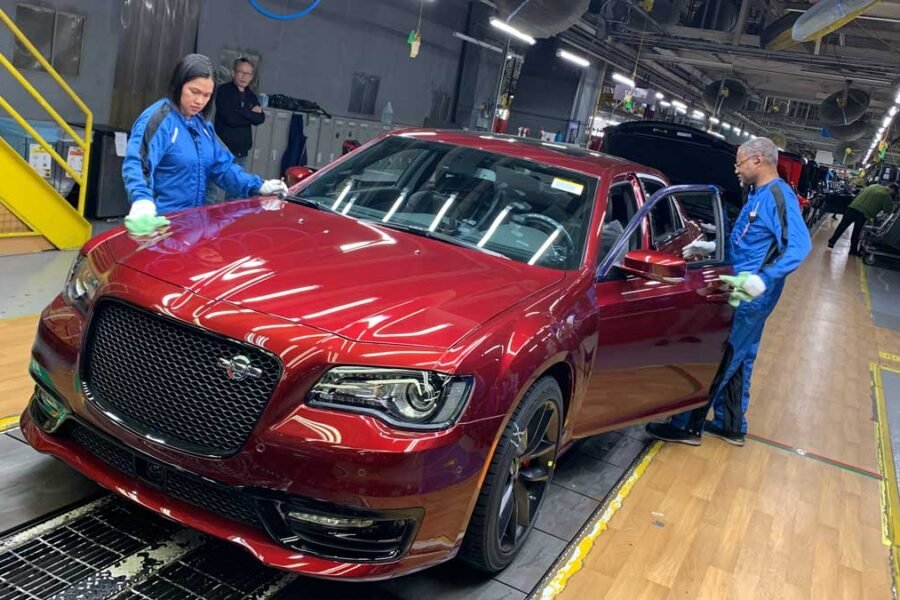
China Factor reported on Nov. 2 that the Chinese EV rush into Canada is arriving more slowly than promised. The Brampton, Ont., car plant once floated as a site for assembling Chinese EVs is reportedly being sold to an armoured-vehicle maker.
Carney travels to Shenzhen for the APEC leaders’ meeting on Nov. 18 and 19. The Vancouver talks set the pattern he takes with him: Chinese money and Chinese grid hardware are welcome, while Chinese cars come in under a quota and Chinese capital is kept out of mines and AI.
The question for Shenzhen is whether Beijing will keep accepting that split, or start asking for more in return for its bonds.