China’s high-tech rivalry with the United States and its democratic rivals is heading into the stratosphere. The prize is to launch a commercial supersonic aircraft that can fly twice as fast as the iconic Concorde.
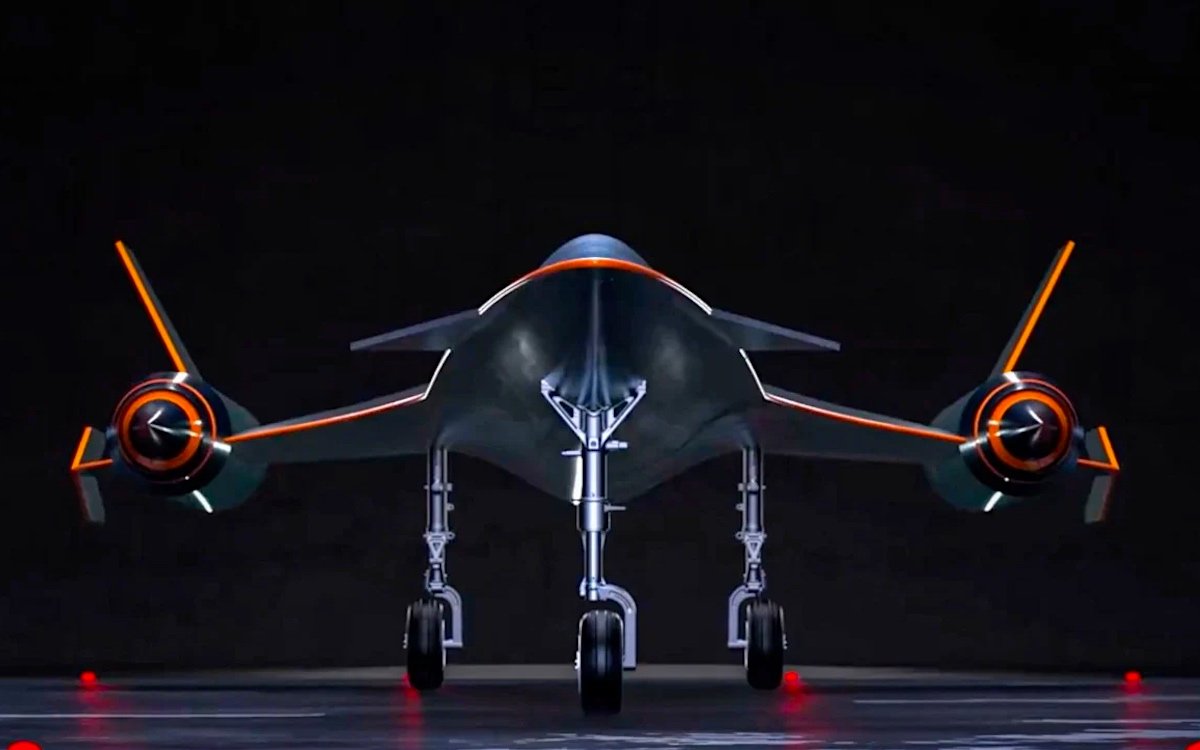
On Sunday, the Beijing-based aerospace group Space Transportation revealed its Yunxing prototype had “completed a test flight” just 24 hours earlier. The goal is to travel at Mach 4 or four times the speed of sound.
“We aim to have a full-sized supersonic passenger jet ready for its maiden flight in 2027,” Space Transportation, also known as Lingkong Tianxing Technology, said as reported by the South China Morning Post.
Woosh:
- Mach 4 is more than 3,069 miles, or 4,939 kilometers, per hour.
- A trip from Beijing to Washington would take about two hours.
Delve deeper: Massive state funding, which has powered China’s technological rise, played a key role in rolling out the Yunxing prototype.
Reaction Engines achieved a ‘ground-breaking’ milestone.
Aerospace Global News
Between the lines: Hundreds of billions of dollars have been poured into China’s space and military programs, as well as high-tech manufacturing in advanced electronics, including electric vehicles and aviation innovation.
Big picture: Still, Boom Aerospace in the US and Reaction Engines in the United Kingdom aim to become major players at the cutting edge of high-speed travel.
The bottom line: Boom is working on a Concorde-inspired jet known as the Overture. Reaction Engines is testing a revolutionary system known as Sabre.
What happened? “Reaction Engines achieved a ‘ground-breaking’ milestone in its hypersonic propulsion system,” Aerospace Global News reported in August.
China Factor comment: Concorde was the only supersonic passenger jet built for the commercial market. Developed by a British and French consortium, it took to the skies in 1976 before retiring nearly 30 years later. What will come next?